
Osbeida Alvarez grew up in a musical household in the Back of the Yards neighborhood. She and her three siblings took up music at a young age, and eventually all found their way to The People’s Music School, where they all quickly advanced into the SLAM program.
Fast forward to this spring – Osbeida graduated from North Park University with a degree in Music Composition. She credits The People’s Music School for providing her the opportunity to explore composing and allowing her to dive deeper into music composition.
Expanding Her Musical Horizons
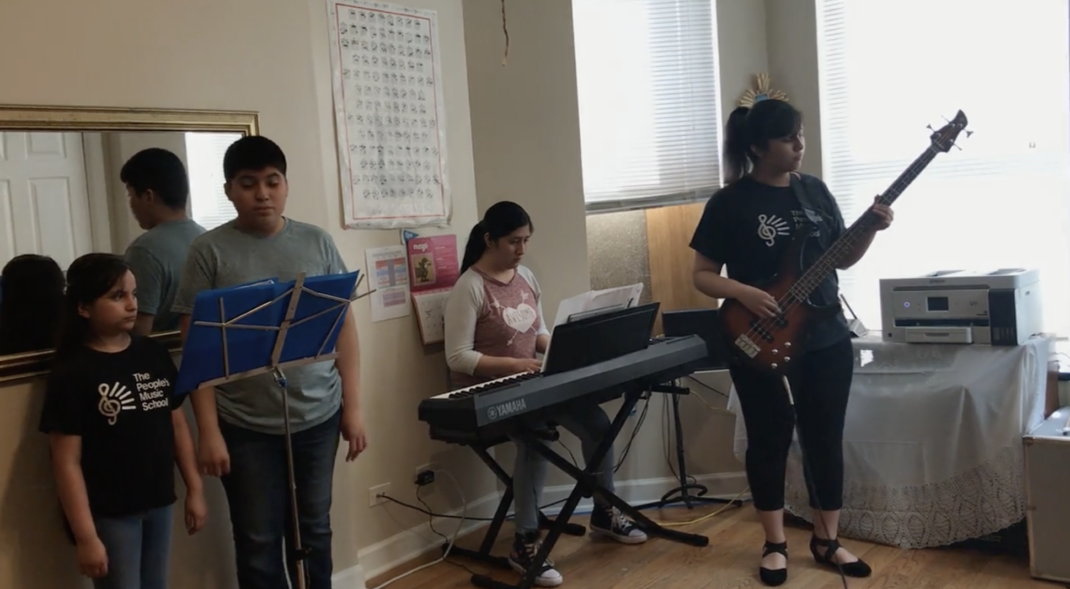
Osbeida was a freshman in high school when she and her younger siblings joined The People’s Music School. Having played piano at her community church for several years, she already had a musical foundation, but she was excited to expand her horizons at People’s.
“I was looking to play an instrument that was kind of new to me,” Osbeida remembers. “I got to try out different instruments, and I remember my top three choices were the clarinet, trombone, and oboe. In the end I chose oboe.”
After deciding to take up one of the most notoriously difficult instruments to play, Osbeida credits her teachers at The People’s Music School for encouraging her to take her music education to the next level.
She remembers the patience and high standards that her teachers Allison Rye and Megan Robbins brought to every lesson. Their support helped her build confidence and progress as an oboist while developing the discipline needed to succeed in music.
Finding a Passion for Composition
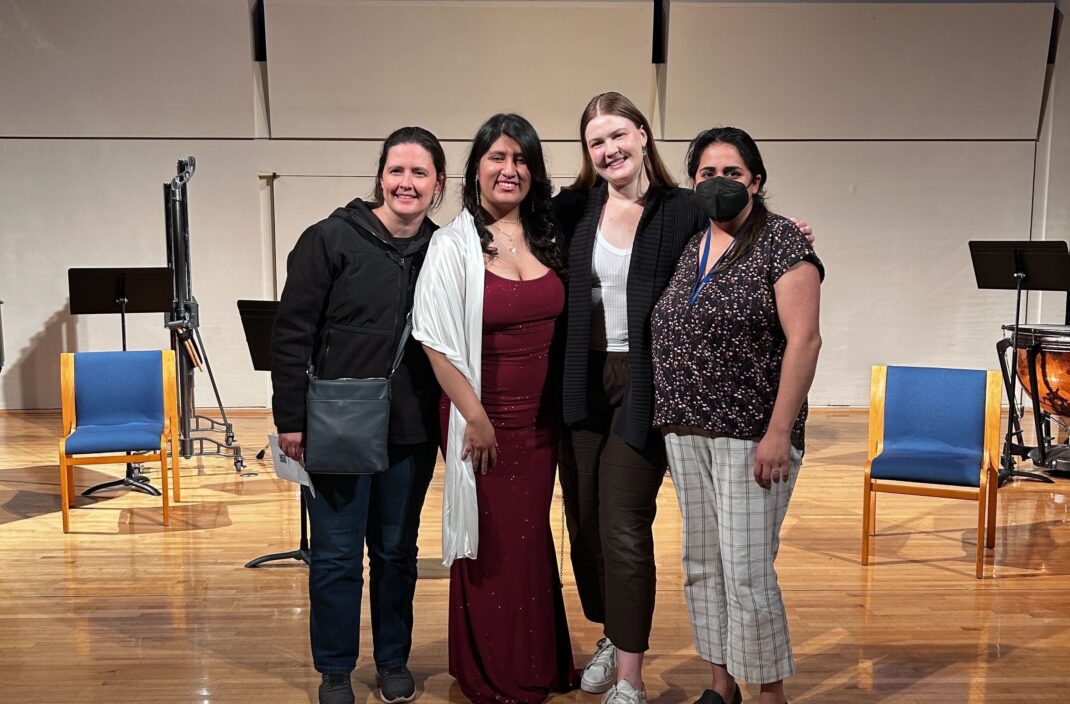
When The People’s Music School’s classes moved online during the pandemic, Osbeida found an opportunity to dive deeper into a passion of hers: music composition.
“Dr. Megan actually encouraged me to join the music composition class, since I had composed a piece in my music theory class and my teacher seemed to really like it,” she says.
“I was fine with performing, but I always liked being more behind-the-scenes. And plus, there are not many female composers, Mexican-American composers – not in the same way there are all the classical composers we all know. That made me want to be a composer even more.”
Becoming a Storyteller Through Music
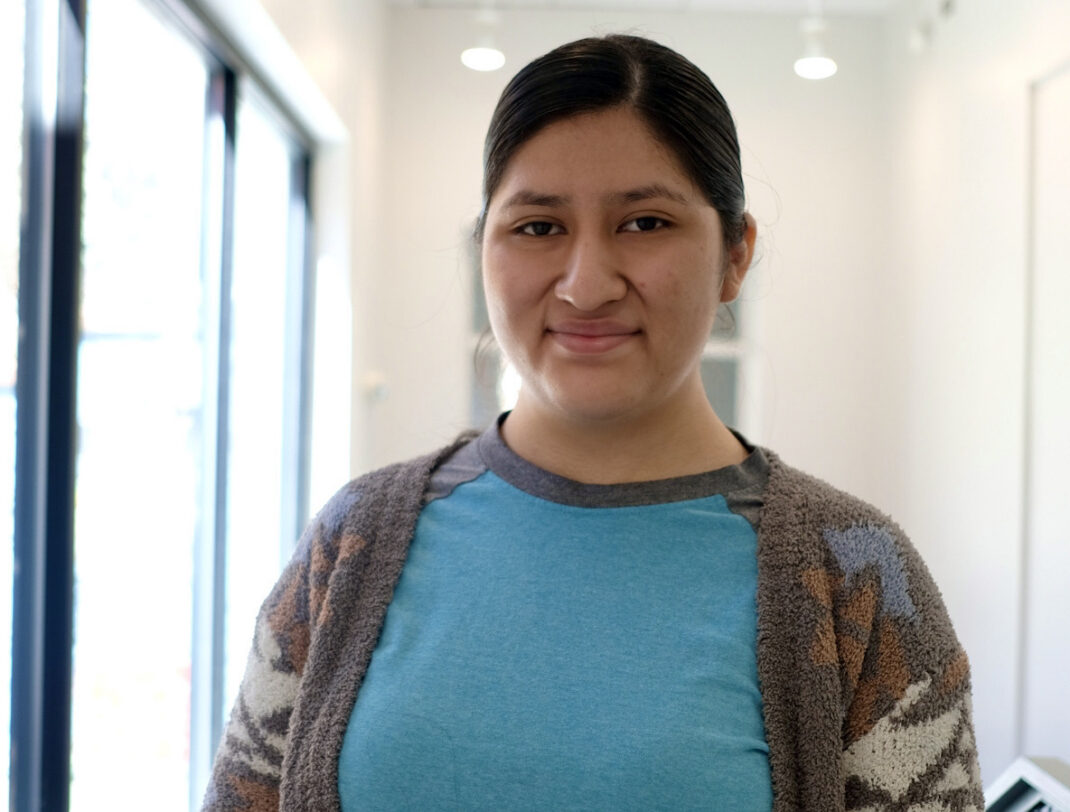
With encouragement from TPMS teaching artists and alumni, Osbeida ended up applying to North Park University to study music composition – and received a nearly-full ride.
Osbeida jumped right into the composition process, with one professor in particular, Dr. McBride, teaching her practical strategies for capturing musical ideas before they disappeared.
“I had so many ideas that I didn’t know how to write into the music,” she says. “Dr. McBride taught me to record every idea. If you’re playing piano and come up with something, record it so you won’t forget it.”
Storytelling remains at the center of Osbeida’s creative process. When writing music, she often imagines characters, emotions, or scenes that her musicians can bring to life. She gains inspiration from some of her favorite film and video game scores: How to Train Your Dragon and Undertale.
“I love composing all genres – but lullabies and movie soundtracks are usually the kinds of music I write the most.”
Osbeida brings the stories to her ensembles, too. Sometimes she includes playful notes in her scores, encouraging musicians to play “like a fairy” or “like a grumpy old grinch” to spark their imagination.
The Journey Ahead
This spring, Osbeida graduated with a degree in music composition, an accomplishment she traces back to the foundation she built at The People’s Music School. And she has big dreams ahead.
“I’d love to have multiple kinds of jobs and experiences in composition,” she says. “Whether it’s teaching composition, composing music for an indie game or indie film, or even working for a bigger company and creating their soundtracks.”
But her ambitions don’t stop there.
“I’m actually planning to get my Master’s in Nonprofit Management at North Park,” she says. “That way, if in the future I want to start my own program or business, I’ll have the knowledge to do so.”
Advice for Young Musicians
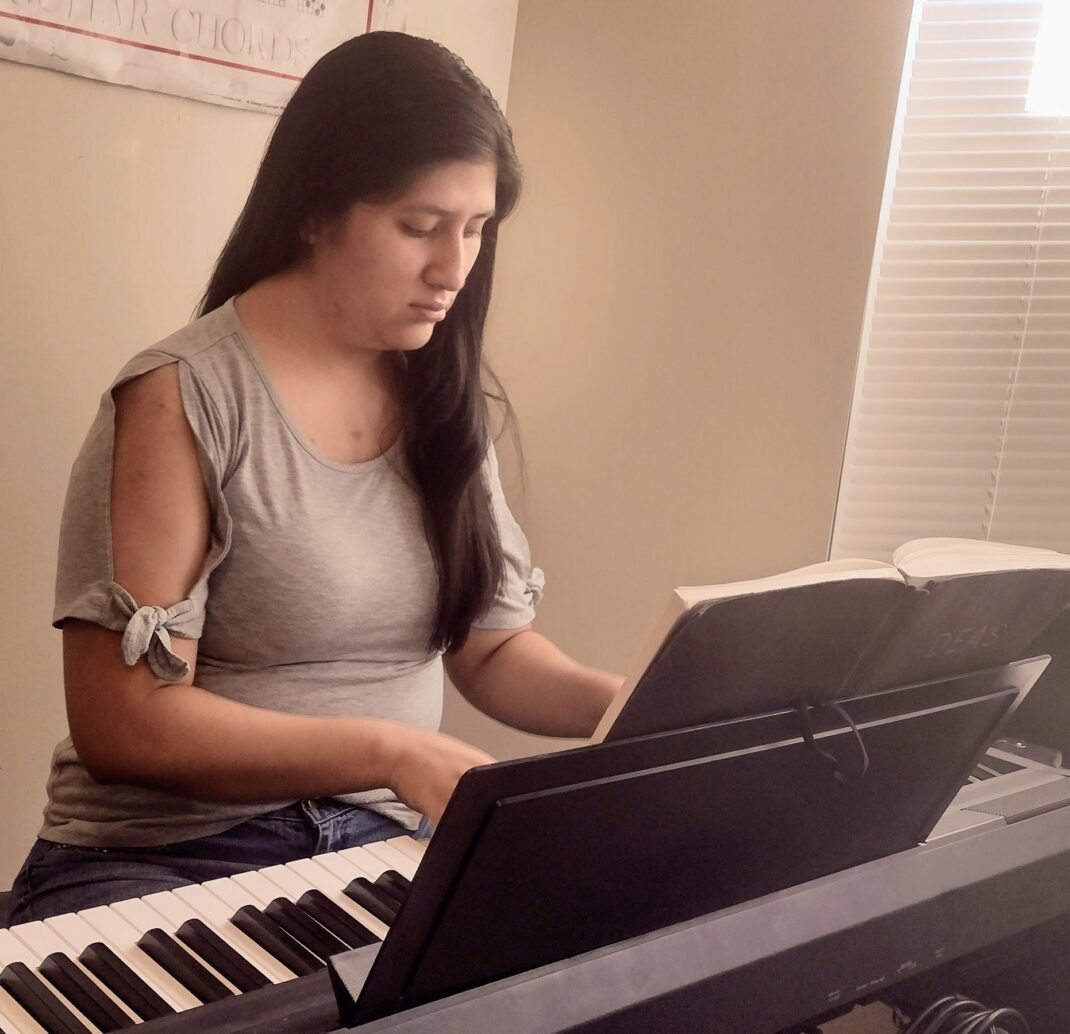
Thinking back to her early days at The People’s Music School, Osbeida remembers how formative her experiences were and reminds younger TPMS students to enjoy every opportunity.
“Enjoy your moments and create great memories in the program,” she says. “Even if you’re not planning on studying music in the future or getting a scholarship to study it – there are going to be so many parts of the program you will enjoy. Especially the friendships and the memories.”
And for aspiring musicians and composers?
“Let your creativity grow,” she said. “It’s okay if there are people who don’t like your music, because there will always be people who do.”